Weather shouldn’t decide whether kids have a great time. A smart party equipment rental plan and the right inflatable turn a 72-degree day, a humid afternoon, or even a breezy, overcast morning into a crowd-pleasing party. That is the reason wet and dry combo units have become the backbone of backyard party rentals. They deliver bounce, climb, and slide in one footprint, and with a quick switch, they run as a splashy water ride or a dry play zone. If you are weighing bounce house combo rentals for a birthday, school picnic, or block party, the details matter: size, theme, water management, safety, and a layout that works with the space you actually have.
What a wet and dry combo really is
A wet and dry bounce house combo is a hybrid unit that includes a standard jumping area, an internal or external climbing wall, and one or two slides that can be used dry or connected to water. Many models feature a splash pad at the base of the slide, a landing bumper, or a shallow pool attachment that gets secured with straps or zippers. When run without water, the pool attachment is either detached or left in place as a cushioned landing. When wet, a garden hose feeds a misting line along the slide, keeping the surface slick and cool.
Manufacturers build these as all-season workhorses. Seams are typically double or quadruple stitched, slide lanes use reinforced vinyl, and the floors carry internal baffles that keep the bounce responsive even with mixed-age groups. Sizes vary. A compact kids bounce house combo may run about 13 by 25 feet, enough for a driveway or tight lawn. A large inflatable combo can stretch past 16 by 32 feet and stand 15 to 18 feet tall, which matters under tree limbs and utility lines. Power draws usually sit at one blower of 1 to 1.5 horsepower, though bigger dual-lane slides can require two blowers on separate 15-amp circuits.
If you are exploring inflatable combo rentals, ask for the actual footprint including blower space, clearance on each side, and anchor zones. Installers need access to stake into soil or set sandbags on hard surfaces like asphalt, patios, or artificial turf. More than one backyard plan has changed because a fence gate was 2 inches too narrow for a hand truck.
Why combos solve the weather problem
Traditional bounce houses do one thing well: jump. A combo bounce house with slide adds the action kids want even if the slide isn’t running water, so you are not locked into a single mode. You can run dry for the first half of a party, flip to water for the last hour, or keep it dry the whole time if clouds threaten. With a themed bounce house combo, you get the look kids recognize without betting the day on a perfect forecast.
From a rental operator’s perspective, combos are easier to commit to with variable weather. In my experience across spring school fairs and muggy July birthdays, fewer cancellations occur with combos than with standalone water slides, because you have a viable Plan B. On Long Island, for example, coastal microclimates can roll in wind and mist by mid-afternoon even after a bright morning. Securing a bounce house combo rental Long Island hosts can run wet or dry reduces that forecast anxiety.
Space and layout ideas that actually work
A great party layout keeps parents relaxed, makes supervision simple, and lets kids loop through the fun without collisions. Think in terms of approach lanes and viewing angles. Keep the entrance of the bounce house with slide visible from the main seating cluster so adults can check wristbands, count heads, and remind kids to remove shoes when needed.
For a narrow yard, park the inflatable parallel to the long fence line with the slide exit facing open grass, not the patio. For a wide yard, angle the unit slightly so the slide faces the center, which encourages a natural clockwise flow: enter, bounce, climb, slide, exit, line up again. If the lawn has a subtle slope, orient the slide to descend downhill to reduce water pooling at the base when you run it wet.
Concrete and pavers are fine so long as your provider uses heavy sandbags and protective tarps, but remember splash zones. A thin film of water on stone gets slick, and parents in flip-flops will feel it. If you can, lay a runner of turf, old beach towels, or moving blankets where feet leave the slide.
Building a weather-flexible plan
Most cancellations I have seen stem from uncertainty, not from bad weather itself. If you identify your go/no-go decisions in advance, you avoid last-minute stress. Sketch two timelines: a dry-first plan and a wet-first plan. In both, anchor the meal or cake around the mid-point, because kids take natural breaks for food, which is your best moment to switch modes and adjust rules.
Here is a compact pre-event checklist that helps parties stay smooth regardless of forecast:
- Confirm two 15-amp outdoor outlets within 75 feet, or reserve a quiet generator with GFCI protection. Mark the flattest 18 by 30 foot area, free of low branches and sprinkler heads, with 3 feet of clearance on all sides. Stage a hose with a shutoff nozzle and a backflow preventer if you might run wet. Plan shoe, towel, and water bin stations at least 5 feet from the slide exit to prevent puddles. Assign two adults to rotate as spotters, one at the entrance and one near the slide landing.
Those five steps solve 80 percent of game-day headaches. The power plan is the one item many hosts underestimate. One blower might draw around 8 to 11 amps while running, and a second blower, a speaker, and a countertop ice machine on the same circuit will trip a breaker at the worst time. Split loads between the front and rear of the house or add a small inverter generator rated above 2,000 watts.
Wet mode done right: water, safety, and clean exits
Running an inflatable combo with water slide freshens a humid afternoon, but plan for the logistics. A typical misting line uses much less water than a garden sprinkler but will still push through a noticeable amount, especially during longer parties. Expect on the order of 100 to 300 gallons per hour depending on nozzle design and how aggressively kids cycle through. Most residential spigots on Long Island deliver 4 to 8 gallons per minute, so the slide will stay wet on low-flow settings. Use a shutoff valve near the unit so your spotter can reduce flow between groups.
Talk drainage. If your lawn is clay-heavy or a recent sod install, water can pond. Direct the slide exit toward a natural swale or to an area you do not mind saturating. Keep the landing zone clear of small toys, utensils, or hidden landscape lights. Never use soaps or additives to make the slide slicker. They leave a residue, violate manufacturer guidance, and increase slip risk on nearby hardscape.
Footwear rules keep kids safe, but so do rules about height and capacity. Most single-lane combos cap at 6 to 8 jumpers at once, or 700 to 1,000 pounds total in the bounce area, with one rider on the slide at a time. Mixed-age play is fine if you group by size. Ask your provider for the posted guidelines and have an adult enforce them. The fastest way to end the fun is allowing a line of wet, excited seven-year-olds to pile onto a slide behind a cautious three-year-old.
Towels change the mood. If you plan to run wet, stack 20 to 30 towels for a 20-child party. Set a standing rule that kids dry off hands and feet before reentering the house or going inside for snacks. A plastic storage bin, a laundry basket for wet items, and a rack or rope line keep chaos down.
Dry mode that still feels like an upgrade
When run dry, a combo is not just a bounce house that happens to have a slide. Kids cycle more, play in shorter bursts, and create a positive flow. You get less heat buildup because they are not staying in the same spot. If the day runs cooler or wind picks up, leave the water off and switch to timed rotations by age. For extra energy, a Bluetooth speaker near the entrance and a game like “freeze slide” keeps interest high without needing to add loose items that could become hazards inside the inflatable.
Avoid confetti, glitter, and small balls. They lodge in seams and drains, and operators charge cleaning fees for good reason. If you want a “ball pit” feel for toddlers, ask about a dedicated toddler inflatable or a soft play set outside the combo. Mixing ages inside a tall slide unit is rarely worth the risk.
Theme ideas that hold up in any forecast
Themes do not only come from printed art panels. A themed bounce house combo can be as simple as choosing a colorway and building the party kit around it. A tropical inflatable combo with water slide looks just as cheerful dry with palm fronds and hibiscus table runners. A princess or castle front pairs with velvet rope accents and a cardboard “royal bakery” for the food table, which works regardless of whether the slide runs wet. For sports themes, add a penalty-box bench and a whiteboard for scoring a slide time challenge.
Operators often carry modular combos with interchangeable front banners. If you are organizing a school event or a neighborhood block party, ask if a neutral castle or marble-patterned unit can take a generic “Happy Birthday” or “Field Day” banner. You keep visual unity across events while keeping a single, reliable model that crews know how to set on tight lots.
Real layouts from the field
A tight suburban lot with a 12-foot gate, 30-foot depth to the fence, and a small patio can still host a large inflatable combo. We placed a 15 by 28 foot combo lengthwise, left 3 feet for blower clearance, and used sandbags to protect a new party supplies rental irrigation system. The slide exit faced the open grass, and we ran dry until 2 p.m. When the sun dipped behind neighboring oaks, then switched the water on low. A towel station on the patio cut down on wet footprints in the kitchen. Total count: 22 kids rotating in five-minute bursts, no line longer than 6 riders.
For a church picnic with mixed ages, we ran two units: a kids bounce house combo with a shorter slide and a larger dual-lane combo for older children. We placed them 20 feet apart, with cones marking approach lanes. The younger unit stayed dry all day, while the big unit ran wet after lunch. Parents appreciated the clear division, and younger siblings did not feel intimidated by faster play on the big slide.
Power, anchoring, and safety that professionals insist on
Quality providers of party inflatables for rent prioritize anchoring and power just as much as theme and price. Staking into soil with 18-inch steel stakes is the gold standard. On asphalt or concrete, high-mass sandbags and water barrels secure tie-down points at the angles specified by the manufacturer. Blowers must sit on level ground, with intake screens clear of debris and at least a foot from fences to avoid recirculating hot air.
Power should run on outdoor-rated cords of 12 or 14 gauge, no longer than needed. Wrap connection points off the ground and cover them with cord domes or plastic bins to keep them dry. GFCI protection is non-negotiable, especially if you plan to use water. If you hire bounce house combo rentals frequently for school or municipal events, ask to see the provider’s insurance certificate and the most recent safety inspection tags on their units. Reputable companies will have them on hand.
Cleaning and hygiene that hold up under scrutiny
Clean equipment is obvious when you see it. The vinyl will feel slightly tacky from proper sanitizer, not slick from residue. Stitching will be intact, and netting will spring back without sagging. Between back-to-back deliveries in peak season, a real cleaning takes at least 15 to 25 minutes on-site, more if the previous event ran wet. Expect a crew to wipe high-contact zones like entrance steps, interior walls, and slide lanes. If you are renting for toddlers or a preschool, ask about non-chlorine sanitizers and drying times. A damp unit closed too early can smell musty by the time it reaches your yard.
Budgeting honestly, with add-ons that make sense
Prices vary by region and season. For reference, in many Long Island neighborhoods, a weekday bounce house combo rental Long Island families book might run in the range of 275 to 425 dollars for a standard 4 to 6 hour window. Weekends, themes, or larger dual-lane models often land between 425 and 650 dollars. Adding water usually adds 25 to 75 dollars because crews need to handle extra drying. A generator, if needed, can add 85 to 150 dollars. Attendants for school or corporate runs sit in the 35 to 55 dollars per hour range per staffer, depending on insurance and experience.
Extras worth the money: a shade canopy or 10 by 10 popup near the entrance if you expect full sun, a second blower circuit to isolate power loads, and a ground tarp to keep the underside clean on dusty surfaces. Some operators bundle combos with tables and chairs, which simplifies logistics, though you can often source those locally for less if you have time. Keep an eye on delivery windows and pickup fees beyond standard hours.
Switching modes mid-party without creating chaos
Parents often ask if a wet and dry unit can switch on the fly. Yes, with a little choreography. Pick a natural break, like after cake. Announce a 10-minute pause. During the pause, the spotter turns on the hose at low flow, tests the slide for an even sheen, and does a quick sweep to ensure the landing pad is clear. While that happens, a second adult hands out wristbands to kids allowed on the wet slide, grouped by age. Younger kids go first for five minutes, then older kids, then mixed play with one-at-a-time slide rules. The same flow works in reverse if the evening cools and you want to go back to dry play.
Have an exit plan. Thirty minutes before pickup, shut off the water and run the slide a few times to squeegee off the worst of it with towels. Kids actually enjoy this part if you make a game of it. This helps the crew with breakdown and reduces the chance of puddles that attract mosquitoes overnight.
Weather calls: when to pause, when to proceed
Wind, not rain, is the real decider. Most inflatables carry a manufacturer wind rating of 15 to 20 miles per hour. If sustained wind tops 15, or gusts climb higher, pause use and deflate partially or completely depending on guidance. A quick summer shower? If there is no thunder and the wind is low, you can wait 10 to 15 minutes, towel the slide lane, and resume dry play. If thunder is audible, clear the unit and unplug blowers. Vinyl is a conductor when wet, and safety beats any schedule.
For coastal areas, sudden squalls happen. I recommend placing the blower cords on the house side, not along the yard edge, so you can unplug quickly without walking through open space. In practice, 10-minute weather pauses are easier on kids than you might expect if you frame them as snack or face-paint breaks.
Picking the right unit for your crowd
Think about age spread and guest count. If half your guests are under five, a low-entry kids bounce house combo with a shorter slide reduces traffic jams and height anxiety. If you are hosting a dozen eight to ten-year-olds, a dual-lane combo with a taller slide moves lines faster and satisfies that need for speed without adding a separate water slide. For mixed family events, a neutral color large inflatable combo avoids squabbles over characters and keeps photos timeless.
If you are weighing inflatable combo rentals against separate units, count the footprint and the chaperones you can staff. Two medium standalones might sound appealing, but each entrance needs a set of eyes. A single combo with a wide interior handle cut tends to be easier to supervise and cheaper to power.
A quick, practical comparison when choosing wet vs. Dry for the day
- Wet mode keeps kids cooler and increases excitement, but it needs towels, clear drainage, and stricter slide rotation. Dry mode simplifies cleanup and extends use into breezy or cooler hours, and shoe management becomes the main concern. Wet mode tends to shorten play bursts and reduce crowding inside the bounce area as kids circulate faster. Dry mode reduces slip hazards around patios and makes transitions to cake or crafts faster. Wet mode can raise the rental fee slightly and add water usage, which matters during drought advisories.
Use your crowd, your lawn, and your schedule to decide. There is no wrong choice, only the wrong assumption that you can’t change your mind once guests arrive.
Small operator tips that make a big difference
The most common preventable issues I see at backyard party inflatables for rent come from tight placement and unclear rules. Give installers room to do their work. If they ask to rotate the unit 90 degrees, they aren't being fussy; they are reading wind, sun, and slope. Ask them to walk you through the emergency deflate procedure and where to cut power if you have to. Snap a quick photo of the blower cords and outlets used so you can restore power fast if a breaker trips.
Set rules early, state them simply, and post them at the entrance. Shoes off, glasses off, no flips, one at a time on the slide, and no adults inside unless the unit is rated for them. Adults love to test the bounce, but many combos are not rated for adult use. If you want a grown-up session after the kids are done, clear it with your provider and make sure the posted capacity covers it.
Where to start when calling around
If you are browsing bounce house combo rentals online, focus on three things: clear photos of the exact unit you will receive, dimensions and power requirements on the booking page, and a weather policy that outlines reschedules, rain checks, or refunds. In the Long Island market, traffic and bridge routes matter for delivery windows. Ask if your time slot accounts for summer beach traffic or parade closures. It is not unreasonable to request a 30-minute text-on-the-way notice the morning of your event.
For homeowners’ associations and schools, have your site map, power locations, and certificate of insurance requirements ready when you call. Operators appreciate specifics and often prioritize jobs that look organized, because they know a smooth setup saves them time later in the day.
A few themed concepts that shine, wet or dry
A pirate-themed combo pairs with a treasure map slide challenge. Kids pick “port” or “starboard” and slide down to grab a foam coin hidden in a dry landing pad. Add water in the second half and rename it the lagoon run. A jungle combo gets inflatable palm trees plus a low “vines” tunnel made from rope and pool noodles alongside the entrance, which stays safe and fun even if the slide is dry. For a space theme, place glow-in-the-dark tape along the entrance mat and run a dusk session with lanterns for an out-of-orbit vibe.
The key is to treat the inflatable as the anchor, with two or three small, low-cost elements that extend the idea around it. If weather flips, your theme still holds.
Putting it together
A wet and dry bounce house combo gives you insurance against unpredictable skies and the variety kids crave. With the right placement, power plan, and a couple of clear rules, you can pivot from dry to splash and back without drama. Whether you choose a tropical inflatable combo with water slide for July or a castle-themed bounce house with slide for April’s cool mornings, the same fundamentals apply: match the unit to your crowd and space, manage water and wind with intention, and keep supervision constant.
Families who host once or twice a year do not need a warehouse of gear. They need a reliable operator, honest specs, and practical setup. Done right, these kids birthday party inflatables become the least stressful part of the day. That is the value of a versatile unit, and why so many hosts make a wet and dry combo their first call when they look for party inflatables for rent.
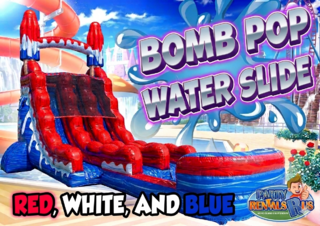
Party Rentals R Us 13 Trade Zone Dr, Ronkonkoma, NY 11779 +15164480323